




Education Programs Turn Elephant Visits Into Lessons About Conservation and Biology
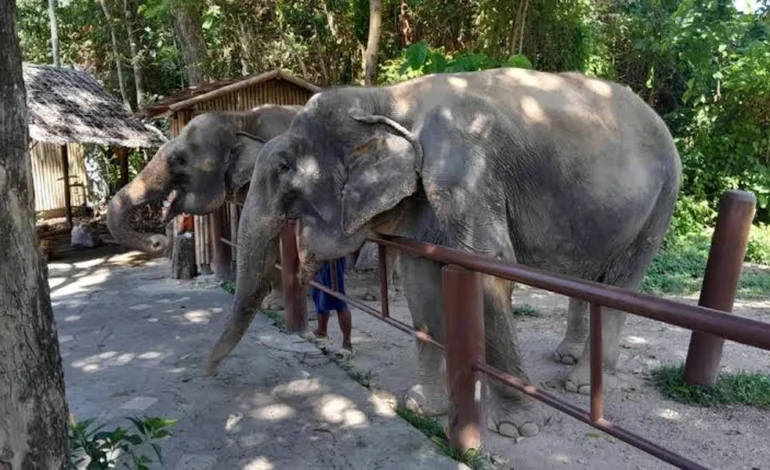

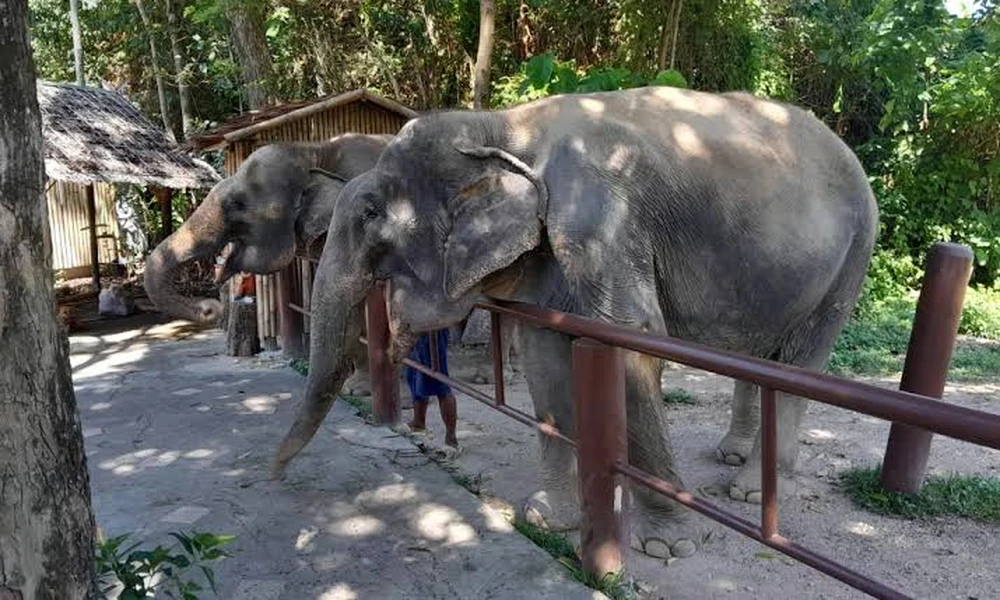
Standing on a viewing deck, I learned more in one morning than from years of documentaries. The guide at the koh phangan elephant sanctuary spoke softly while two rescued females grazed below. She explained how trunks grip plants, how herds communicate plus where wild relatives still survive. Nobody touched the animals or posed beside them. Instead, everyone left knowing far more about these giants. That kind of guided learning gives a trip lasting value.
Guides Explain Each Resident’s Background
Most rescued residents arrive with a past in logging or trekking work. Guides share those histories so guests understand the harm behind such industries. Hearing a real story makes welfare issues feel personal. It also explains injuries or habits visitors may notice.
How Their Bodies Actually Work
The trunk contains tens of thousands of muscles with no bones inside. Large ears release heat to help these animals stay cool. Teeth are replaced up to six times across a lifetime. Guides often point out these details while the herd feeds nearby.
Topics Worth Asking Guides About
Asking good questions makes any tour more meaningful. These topics usually lead to useful answers.
- How each resident arrived at the refuge plus its health today.
- Ways herds communicate using low rumbles that humans cannot hear.
- How much these animals eat across a single day outdoors.
- Reasons mud plus dust help protect sensitive skin from sunburn.
- How long calves remain close to their mothers in families.
- Main threats pushing wild populations toward smaller numbers each year.
- Ways local farmers reduce crop damage without harming wandering herds.
- Steps visitors can take to support responsible tourism back home.
Threats Facing Wild Herds Today
Asian herds are listed as endangered by international wildlife groups. Forest loss pushes them closer to farms plus villages. Conflict with farmers often leads to injuries on both sides. Guided talks at the koh phangan elephant sanctuary can help guests understand these pressures clearly.
What Do Children Gain From Guided Sanctuary Talks?
Children often remember sanctuary trips for years, especially when guides explain things in simple terms. Watching a herd graze while hearing how trunks work makes science feel real rather than abstract.
Young guests also learn that respect means keeping a distance. They see that animals do not need to perform or be touched to be fascinating. Many families return home with new questions about wildlife, habitats, or responsible tourism. Those conversations can shape kinder choices for years afterward.
Quiet Observation Teaches Patience Too
Watching without interfering shows how herds behave on their own terms. Guests learn to wait calmly for natural moments. That patience often reveals more than any close encounter could.
Population Figures Worth Knowing Today
Numbers help explain the importance of protecting remaining herds. Figures vary between sources plus surveys. Guides at the koh phangan elephant sanctuary may reference similar estimates during talks.
Learning FAQ for Family Groups
- Are guided talks suitable for young children? Yes, most guides explain topics in simple language.
- Do guests touch the animals during talks? No, learning happens through quiet observation from platforms.
- How long do typical talks last? Usually thirty minutes to one hour per tour.
- Can guests ask about specific residents? Yes, guides happily share names plus rescue histories.
- Are Asian herds endangered? Yes, international wildlife groups list them as endangered.
- What can guests do after leaving? Share honest reviews plus avoid camps offering rides.
Knowledge Makes Every Tour Count
Thoughtful talks show what former logging captives endured. Body features, population figures, or threats become easier to understand. Quiet watching teaches respect without any need for contact. Choose refuges whose staff answer questions openly before booking. Small, attentive steps on each tour build better habits over time.
