





Boost Quality Control Efficiency With Eyepiece-Free Stereo Microscopy Systems Today

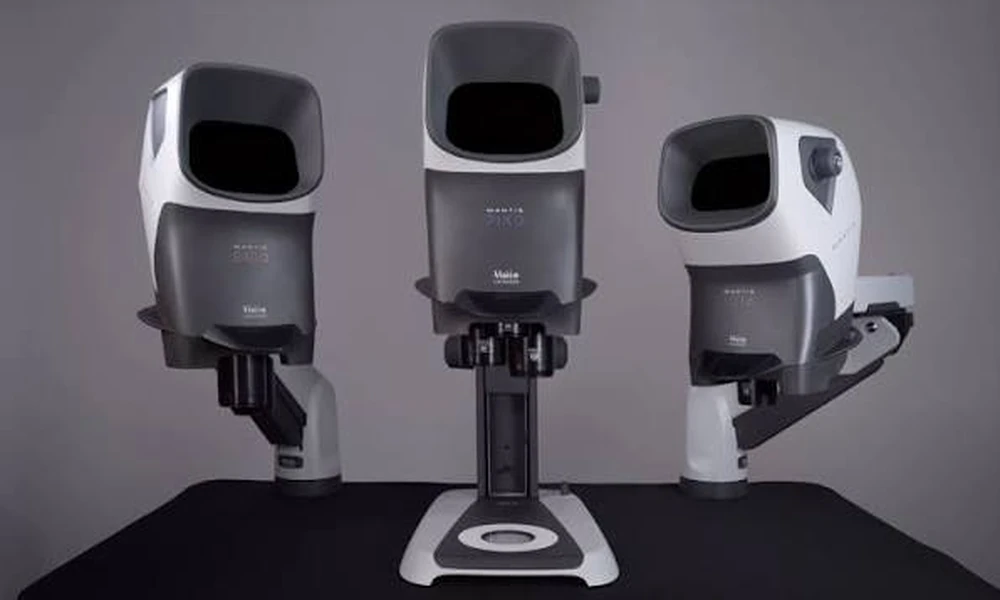
Most inspection mistakes begin with tired eyes, not faulty parts. Technicians hunched over binocular heads lose sharpness long before closing time. Components keep shrinking, while tolerance windows tighten each year. Electronics, medical, and aerospace lines face this pressure daily. An eyepiece less stereo microscope delivers crisp 3D detail to upright operators. Rather than pressing against eyecups, staff view a projection lens. That single design change ripples outward. Optics, ergonomics, hygiene, documentation, and ownership costs all feel the effect. The gains are measurable, not cosmetic.
Wider Exit Pupils Free Operator Movement
Conventional binocular heads release a beam only a few millimeters wide. A slight head turn blacks out the image. Eyepiece-free optics widen that exit pupil to roughly 38mm. Operators can lean back, glance sideways, and still hold focus. Peripheral vision returns, keeping tweezers and probes in view. Over an eight-hour workday, that freedom prevents countless micro-adjustments.
Why Does Posture Affect Defect Detection Rates?
Fatigue erodes judgment before anyone notices the decline. Bent-neck viewing angles load the cervical spine for hours. By mid-afternoon, hairline cracks and solder voids start slipping through. Upright posture keeps shoulders loose and attention steady. Comfort also reduces absences linked to musculoskeletal strain. When trained inspectors stay healthy, rejection data stays consistent across teams.
Hand-Eye Coordination Speeds Rework Tasks
Rework under magnification depends on depth perception and steady hands. Projected stereo images support both at once.
- Technicians watch tool tips enter the field clearly.
- Solder joints get repaired without constant refocusing.
- Depth cues expose warped leads and lifted pads.
- Inspectors rotate parts freely while keeping focus.
Can Shared Microscopes Stay Hygienic Between Users?
Yes, since no part of the viewer touches the instrument. Binocular eyecups contact skin, passing germs among colleagues on rotating stations. An eyepiece less stereo microscope removes that contact point entirely. Extended eye relief also allows use in laminar flow cabinets. For medical device assembly or pharmaceutical packaging, contamination risk falls sharply.
What Records Support Audit-Ready Inspection Workflows?
Quality protocols demand image evidence alongside visual checks. Paper notes rarely satisfy auditors now. Integrated cameras capture proof without slowing the bench. Stored images also speed root-cause analysis when returns arrive.
- HD captures support customer audits.
- Software compares parts against references.
- Calibration tracks every zoom change.
- Supervisors verify borderline calls remotely.
Thirty-Eight Millimeters Separate Fatigue From Precision
Magnification specs dominate purchase talks, yet the decisive figure sits elsewhere. A 38mm exit pupil decides whether inspectors stay sharp past lunch. Picture two identical lines, one still using binocular heads. By Friday afternoon, only one catches every lifted pad. Higher zoom without viewing freedom buys detail nobody spots late. Seen this way, quality control is an endurance problem. Optics simply decide how long people can keep winning it.
FAQs
How does an eyepiece-free system produce a 3D image?
Two optical paths project offset views onto a wide viewing lens. Each eye catches its own angle, creating true depth. No eyecups are needed for alignment.
Can workers who wear glasses use these systems?
Yes, because generous eye relief leaves room for spectacles and goggles. People with conditions blocking binocular use often view clearly too. Setup takes minimal adjustment between users.
Do digital microscopes replace optical stereo models?
Monitors show flat images, limiting depth judgment during delicate rework. Optical stereo stays stronger wherever precise hand placement matters. Hybrid models combine both strengths.
What magnification range suits electronics inspection?
A 6x to 60x zoom handles most PCB and connector checks. Supplementary lenses push certain models toward 240x. That reach covers fine-pitch components comfortably.
