






Issues with Asbestos and Its Health Risks

What Is Asbestos and Why Is It Harmful?
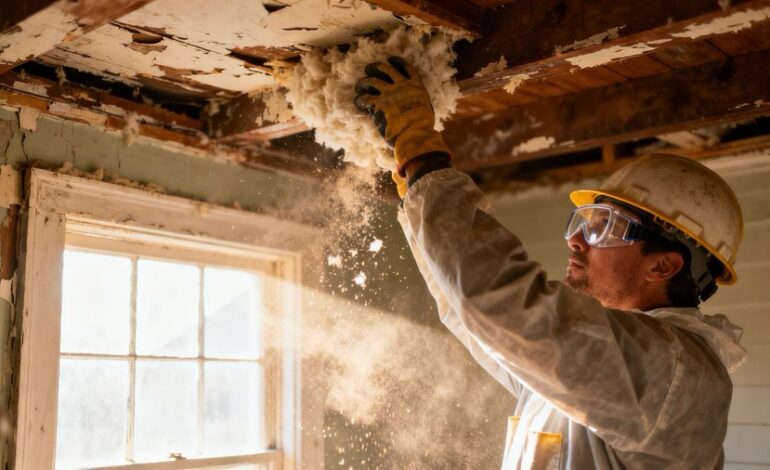
Asbestos is a naturally occurring mineral that was widely used in building materials for many decades. Its popularity stemmed from its durability, fire resistance, and insulating properties. However, asbestos is made up of microscopic fibers that, when disturbed, can become airborne. These tiny fibers are the primary cause of concern. If inhaled, they can become lodged in the lungs and other tissues, leading to serious health problems over time. When asbestos-containing materials are intact and undisturbed, they generally do not pose a risk. The danger arises when these materials are damaged, cut, or broken apart, releasing fibers into the air. This often happens during renovations, repairs, or demolition of older structures. The risk of exposure is particularly high in homes built before the 1980s, as asbestos was a common component in many construction products. Understanding where asbestos might be present is the first step in preventing exposure and protecting your health. Awareness of where asbestos might be hidden is crucial.
Common Illnesses Linked to Asbestos Exposure
Exposure to asbestos fibers can lead to several severe and often fatal diseases. The latency period for these illnesses can be quite long, meaning symptoms may not appear for 20 to 60 years after the initial exposure. Some of the most well-known conditions include:
- Mesothelioma: A rare but aggressive cancer that affects the lining of the lungs, abdomen, or heart. It is almost exclusively caused by asbestos exposure.
- Asbestosis: A chronic lung disease characterized by scarring of lung tissue, leading to shortness of breath, persistent cough, and chest pain.
- Lung Cancer: Asbestos exposure significantly increases the risk of developing lung cancer, even in individuals who have never smoked.
- Other Cancers: Studies have also suggested links between asbestos exposure and cancers of the larynx, ovaries, and potentially other organs.
The Long-Term Impact of Asbestos Inhalation
When asbestos fibers are inhaled, they can become permanently embedded in the lung tissue. The body’s natural defense mechanisms are largely ineffective against these sharp, durable fibers. Over many years, this can lead to inflammation, scarring, and cellular changes that may eventually develop into cancerous tumors or other debilitating lung conditions. The risk is not uniform; it depends on several factors, including the concentration of fibers in the air, the duration and frequency of exposure, and individual susceptibility. Smoking dramatically amplifies the risk of developing asbestos-related lung diseases. Even short-term exposure can have long-term consequences, making any contact with airborne asbestos fibers a serious concern. Exposure to asbestos can increase your risk of developing lung disease, and this risk is amplified by smoking.
Identifying Asbestos in Older Homes
Common Household Materials Containing Asbestos
Many materials used in homes built before the 1980s might contain asbestos. This mineral was popular because it’s strong, heat-resistant, and a good insulator. Because asbestos fibers are microscopic, you can’t see them with the naked eye, but their presence can be suspected based on the age of the home and the types of materials used. Some common culprits include:
- Insulation: This could be around pipes, boilers, furnaces, or even loose-fill insulation in attics.
- Flooring: Vinyl floor tiles, the backing on vinyl sheet flooring, and the adhesives used to install them can contain asbestos.
- Ceiling materials: Textured paints, popcorn ceilings, and some ceiling tiles were manufactured with asbestos.
- Roofing and Siding: Asbestos cement sheets were frequently used for roofing and siding materials.
- Other areas: Look out for asbestos in drywall joint compounds, cement products, older electrical components, and even some fireplace materials.
Visual Clues of Asbestos-Containing Products
While you can’t see asbestos fibers directly, certain visual cues can suggest their presence. Homes built before the 1980s are more likely to contain asbestos, and specific products from that era are known offenders. For instance, popcorn ceilings, common from the 1940s through the early 1990s, should generally be assumed to contain asbestos. Also, look for dimpling on surfaces like shingles or pipe insulation, which can sometimes indicate asbestos content. Even leftover building materials, like spare vinyl floor tiles, might have labels on the packaging or the material itself indicating asbestos content, especially if manufactured before 1980. If you’re considering renovations or repairs, it’s wise to investigate these potential signs. Homes built before the 1980s are a good starting point for your assessment.
The Necessity of Professional Asbestos Testing
It’s important to understand that visual inspection alone is not enough to confirm the presence of asbestos. The only way to know for sure is through professional testing. Disturbing materials that might contain asbestos can release harmful fibers into the air, posing a significant health risk. Therefore, if you suspect asbestos is present in your home, it is strongly advised not to touch or disturb the material yourself. Instead, contact a qualified asbestos abatement professional. They have the proper training and equipment to safely sample suspect materials and send them to a lab for accurate analysis. This professional assessment is the most reliable way to identify asbestos and determine the necessary steps for safe removal or management. If you suspect asbestos, professional testing is the next step.
Safety Precautions for Asbestos in the Home
When asbestos is present in a home, it’s important to know when it poses a real threat and what actions to avoid. Generally, asbestos-containing materials are not hazardous if they remain intact and undisturbed. The danger arises when these materials are damaged, deteriorating, or disturbed, which can release microscopic fibers into the air. These fibers, once airborne, can be inhaled and lead to serious health issues over time.
When Asbestos Poses a Threat
Asbestos fibers are typically not released when they are enclosed within a home or building material. However, several situations can turn a dormant asbestos presence into a health risk:
- Deterioration: Materials that are old, worn out, or damaged by water, impact, or general wear and tear are more likely to release fibers. This includes crumbling insulation, frayed pipe wrap, or cracked floor tiles.
- Disturbance: Activities like sanding, sawing, drilling, scraping, or cutting asbestos-containing materials can break them apart, sending fibers into the air. This is common during renovations or DIY projects.
- Improper Removal: Attempting to remove asbestos materials without the correct training and equipment can create a significant exposure risk for everyone in the vicinity.
Actions to Avoid When Asbestos is Present
Homeowners and renters should be aware of specific actions that can inadvertently spread asbestos fibers and increase exposure risks. It is vital to refrain from the following:
- Do not sand, saw, scrape, drill, or otherwise disturb asbestos-containing materials. These actions are primary causes of fiber release.
- Do not use a regular vacuum cleaner or a broom to clean up suspected asbestos dust or debris. These methods can spread fibers further into the air and contaminate the vacuum cleaner itself.
- Do not attempt to collect samples of suspected asbestos-containing materials yourself. This process is dangerous and requires specialized equipment and training to avoid exposure. Leave sample collection to professionals.
- Do not throw asbestos-containing materials into your regular household trash. Special disposal procedures are required by law.
Safe Practices for Homeowners and Renters
Protecting yourself and your family from potential asbestos exposure involves a cautious and informed approach. Here are some safe practices to follow:
- Leave it alone if it’s intact: If asbestos-containing materials are in good condition and unlikely to be disturbed, the safest course is often to leave them in place. Asbestos fibers should be kept undisturbed and isolated from living spaces.
- Hire professionals: For any suspected asbestos testing, removal, or encapsulation, always hire a qualified and licensed asbestos abatement professional. They have the training, equipment, and knowledge to handle these materials safely. This includes proper containment strategies during removal, such as using wet techniques to dampen materials and reduce airborne fibers, and employing HEPA vacuum cleaners for thorough cleanup, as outlined in top techniques for home asbestos removal.
- Consult before renovations: Before undertaking any home renovation or demolition project, have the property inspected for asbestos by a professional. This helps identify potential hazards before work begins and allows for proper planning.
- Educate yourself: Understand where asbestos might be found in older homes and be aware of the risks associated with damaged materials. Knowing the common household materials that may contain asbestos is a key step in prevention.
Professional Asbestos Abatement Procedures
Steps Professionals Follow for Proper Handling
When asbestos is identified in a home, professional abatement is the safest route. Certified professionals have the training and equipment to manage these hazardous materials without spreading harmful fibers. They follow a strict protocol to ensure safety for themselves and the occupants of the home. This process begins with a thorough assessment of the asbestos-containing materials (ACMs) and the surrounding environment. Based on this assessment, a detailed plan is developed, which often includes obtaining necessary permits before any work commences.
Containment Strategies During Removal
Containment is a critical part of asbestos removal. Professionals create a sealed-off work area using heavy-duty plastic sheeting and specialized tape. They often employ negative air pressure machines equipped with HEPA filters. These machines work by drawing air inward from the work area, preventing any airborne asbestos fibers from escaping into other parts of the house or the outdoors. This controlled environment is key to minimizing exposure risks for everyone involved. For more on safe handling and disposal, resources are available to guide best practices for asbestos management.
Personal Protective Equipment for Abatement Teams
Abatement teams wear specialized Personal Protective Equipment (PPE) to shield themselves from asbestos fibers. This typically includes:
- Respirators: High-efficiency respirators, such as N-100 or P-100 models, are mandatory to filter out microscopic asbestos particles.
- Protective Suits: Disposable coveralls are worn to prevent asbestos fibers from clinging to clothing and skin.
- Gloves and Goggles: These provide an additional layer of protection for hands and eyes.
After the removal is complete, the area is meticulously cleaned using wet methods and HEPA vacuums. Professionals then go through a decontamination process before leaving the site. If you suspect asbestos is present, it’s always best to consult with a certified professional rather than attempting removal yourself. You can find guidance on avoiding asbestos exposure if you must be in an area with potential asbestos.
Legal and Regulatory Framework for Asbestos
Navigating the legal landscape surrounding asbestos can feel complicated, but it’s important for homeowners and renters to have a basic understanding. Federal laws and regulations are in place to manage asbestos, especially in older buildings where it’s commonly found. These rules aim to protect public health and the environment from the dangers of asbestos fibers. While a complete ban on all asbestos uses hasn’t been achieved in the U.S., significant regulations govern its presence and removal.
Federal Regulations for Air Quality and Health
The Environmental Protection Agency (EPA) plays a major role in setting standards for asbestos. Key regulations include the National Emission Standards for Hazardous Air Pollutants (NESHAP), which are part of the Clean Air Act. These standards help control asbestos emissions during building renovations and demolitions, aiming to protect air quality. The EPA also has rules under the Toxic Substances Control Act that give it authority over materials containing asbestos. Recently, the EPA finalized a rule banning the ongoing use of chrysotile asbestos, though some industries have phased timelines for compliance. Understanding these federal rules is a good first step in managing asbestos risks in your home, and the EPA provides resources to help you learn more about asbestos regulations.
Understanding State and Local Disposal Laws
Beyond federal guidelines, states and local municipalities often have their own specific rules regarding asbestos. These can cover how asbestos-containing materials must be handled, transported, and disposed of. Improper disposal can lead to significant fines and legal trouble. It’s vital to know that many cities and states have regulations in place for the proper disposal of asbestos and materials containing asbestos. Always check with your local authorities or a licensed asbestos professional to understand the specific requirements in your area before undertaking any work that might disturb asbestos.
Consequences of Improper Asbestos Abatement
Attempting to remove asbestos without following proper procedures can have serious consequences. Not only does it pose a significant health risk to those performing the work and others in the vicinity, but it can also lead to legal penalties. Fines, project shutdowns, and mandatory remediation can result from non-compliance with asbestos abatement laws. Licensed and certified professionals are trained to handle asbestos safely and legally, minimizing risks and avoiding costly violations. Hiring qualified contractors is a key part of responsible asbestos management and ensures that the work is done correctly according to EPA and OSHA standards.
Minimizing Exposure Risks in Your Environment
Taking proactive steps to reduce potential asbestos exposure in your living space is a wise approach to safeguarding your household’s health. It’s important to remember that asbestos fibers become dangerous when they become airborne. Therefore, the primary goal is to prevent disturbance of materials that might contain asbestos.
Preventing Fiber Release During Home Activities
Certain common household activities can inadvertently stir up asbestos fibers if they are present in materials. To minimize this risk, consider the following practices:
- Wet cleaning methods should be employed for dusting and cleaning surfaces. This helps to trap fibers rather than allowing them to become airborne. Avoid dry sweeping or using regular vacuum cleaners, as these can disperse fibers. A vacuum cleaner equipped with a HEPA filter is a safer alternative for cleaning up dust.
- When engaging in outdoor activities, especially in areas known to have natural asbestos deposits or where older materials might have been present, take precautions. Wetting down soil before gardening or playing can help keep dust down. Similarly, spraying down patios instead of sweeping them can prevent fiber release. Staying on paved areas or ground covered with grass or mulch is also advisable.
- Always remove shoes before entering your home, or at the very least, wipe them thoroughly on doormats. This simple step can prevent tracking in potential contaminants from outside. Keeping windows closed on windy days can also help prevent dust from entering your home.
Maintaining Air Quality Indoors and Outdoors
Maintaining good air quality is a continuous effort that extends beyond just asbestos. However, when asbestos is a concern, specific measures are vital. If you live in an older home, it’s prudent to avoid disturbing materials that could contain asbestos, such as insulation around pipes or furnaces, siding, flooring, or certain types of ceiling finishes. If these materials are in good condition and not showing signs of damage, they generally pose less of a risk. However, if they are deteriorating or require replacement, professional assessment is necessary. For those living in areas with natural asbestos deposits, being mindful of soil disturbance is key. Wetting soil before activities can significantly reduce airborne dust.
The Role of Professional Guidance in Asbestos Management
When dealing with potential asbestos concerns, professional guidance is not just recommended; it’s often essential. Homeowners should never attempt to remove asbestos materials themselves. The process requires specialized knowledge, equipment, and adherence to strict safety protocols to prevent fiber release. Hiring a certified asbestos abatement professional ensures that materials are handled and disposed of correctly, in compliance with all relevant regulations. These professionals are trained to identify asbestos-containing materials, assess their condition, and implement safe removal and containment strategies. Their expertise is critical for protecting not only the occupants of the home but also neighbors and the environment from harmful exposure. If you suspect asbestos is present, contacting a professional is the safest first step.


