






Bradford Balance: How Solar Shading Boosts Indoor Health & Comfort
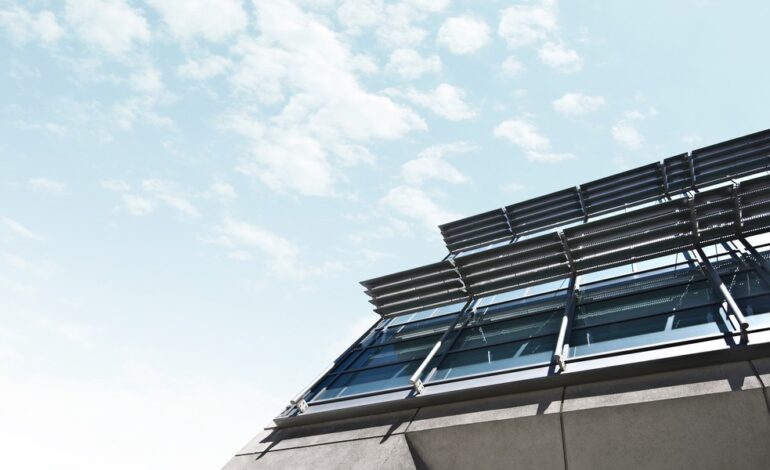

In Bradford, where weather patterns shift between cool, damp conditions and periods of strong summer sun, managing indoor temperature is a daily comfort concern. Solar shading systems are increasingly used not only for energy efficiency but also for their influence on human thermoregulation and overall wellbeing.
By moderating how sunlight enters buildings, these systems shape indoor climate stability, which directly affects physical comfort, sleep quality, and even respiratory health.
Understanding Thermoregulation in Indoor Environments
Human thermoregulation depends on maintaining a stable core body temperature. When indoor spaces overheat or cool too rapidly, the body must work harder to stay balanced, which can contribute to fatigue, dehydration, and disrupted sleep.
In Bradford homes, temperature fluctuations often result from:
- Direct afternoon sunlight entering south- and west-facing windows
- Poor insulation in older terraced properties
- Heat retention in top-floor flats during warmer months
Solar shading helps regulate these fluctuations by reducing heat gain before it enters living spaces, rather than relying solely on mechanical cooling after overheating has already occurred.
Types of Solar Shading Systems Used in Bradford Properties
Not all shading systems perform the same function, and selection often depends on building style and window orientation common across Bradford neighbourhoods.
Common shading solutions include:
- External awnings, which block solar radiation before it reaches the glass
- Fixed architectural louvers, designed to deflect high-angle summer sun
- Internal roller blinds with reflective coatings, reducing radiant heat indoors
- Pergola-style shading for garden-facing rooms, limiting heat build-up near patio doors
Impact on Indoor Temperature Stability
One of the most important health-related benefits of shading is improved thermal consistency. Rapid temperature swings can place stress on cardiovascular and respiratory systems, particularly among older adults and children.
Shading systems in Bradford homes contribute to stability by:
- Reducing peak indoor temperatures during heatwaves
- Slowing overnight cooling in shaded rooms by limiting daytime heat storage
- Preventing excessive glare that encourages residents to close windows and restrict airflow
Health Benefits Beyond Thermal Comfort
Temperature control affects more than just physical comfort. Consistent indoor climates also support mental wellbeing and sleep regulation, both of which are sensitive to heat exposure.
Health-related advantages include:
- Improved sleep quality, especially in bedrooms exposed to evening sun
- Reduced dehydration risk, as overheating increases fluid loss
- Lower respiratory irritation, since excessive heat can dry indoor air
- Decreased reliance on portable fans, which can circulate dust and allergens
In Bradford, where many homes lack built-in cooling systems, shading offers a passive method of protecting health without increasing energy consumption.
Daylight Management and Visual Comfort
Effective shading does not eliminate natural light but controls its intensity and angle. Balanced daylight supports circadian rhythms, which influence hormone production, alertness, and mood.
Well-designed shading in Bradford properties can:
- Filter harsh sunlight while preserving ambient brightness
- Reduce eye strain in home offices and study spaces
- Allow occupants to keep windows uncovered, maintaining views and psychological comfort
Considerations for Older and Retrofit Buildings in Bradford
Many buildings in Bradford were constructed before modern thermal design standards, making them more susceptible to overheating during warmer periods and heat loss during cooler nights.
When upgrading older properties, residents should consider:
- Adjustable systems that adapt to seasonal sun angles
- Materials that withstand moisture and variable weather
- Placement that complements existing insulation and ventilation strategies
Solar shading works best when integrated into a broader approach to indoor climate management, including airflow control and insulation improvements.
Conclusion: Supporting Health Through Passive Design in Bradford
Solar shading systems represent a practical intersection between building design and human health. By reducing heat stress, stabilising indoor temperatures, and preserving daylight quality, they support the body’s natural thermoregulatory processes. For Bradford residents, especially those in older housing stock, shading is not merely an architectural feature but a preventive health measure.
Thoughtful installation can transform indoor environments into spaces that remain comfortable, calm, and physiologically supportive throughout the year.


